
Resilient by Design: Creating a Beautiful Home That Can Weather Florida's Storms
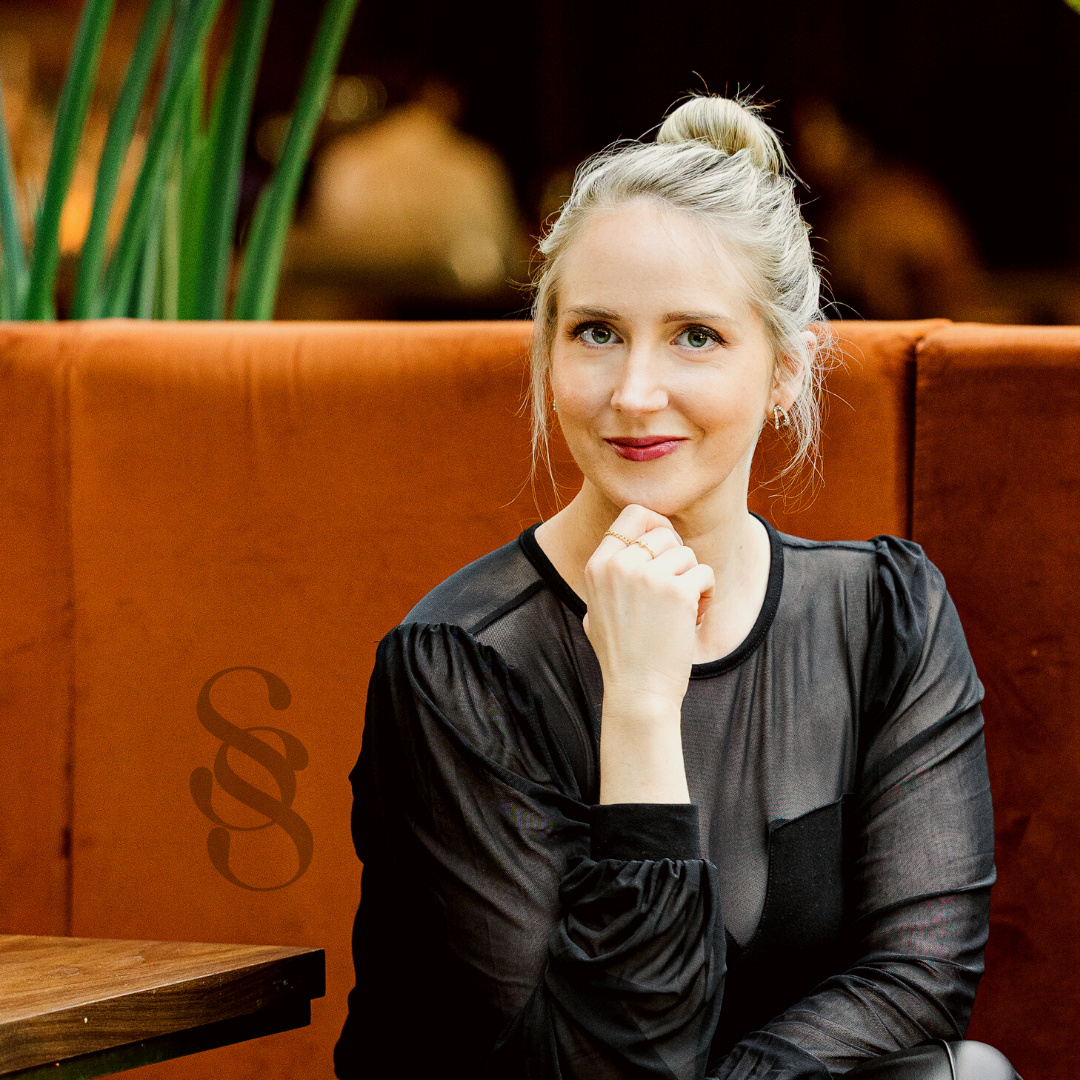

Living in Florida offers a lifestyle that draws people from all over the world. Waterfront sunsets, year-round outdoor living, and endless summer make it easy to see why so many choose to call the Sunshine State home. But with that lifestyle comes the responsibility of designing homes that can withstand Florida's unique climate.
Hurricane season officially runs from June 1 through November 30, spanning half the year. While not every community will experience a direct storm, every Florida homeowner should consider how their home will perform during high winds, heavy rain, prolonged power outages, and the possibility of flooding.
Fortunately, Florida has some of the most stringent building codes in the country, helping ensure homes are built with safety and resilience in mind. But exceptional homes go a step further. They aren't just designed to meet code: they're thoughtfully planned to support the way you live before, during, and after the storm.
Resilience isn't about designing for the storm itself. It's about creating a home that recovers gracefully once the skies clear.
At Slate Studios, we believe the most successful homes are designed with both beauty and resilience in mind from day one. But we also believe some of the best design decisions come from listening to the professionals who see what happens after a storm.
While preparing this article, I spoke with Adam Key, Owner/CEO of EPS Environmental Protective Solutions, a remediation specialist who has helped countless Florida homeowners recover after hurricanes and water damage. His advice was simple:
"Be prepared."
His advice is a reminder that resilience isn't created in the days leading up to a storm. It begins months (or even years) earlier through thoughtful planning, routine maintenance, and intentional decisions. To be prepared, Adam encourages homeowners to evaluate their home's drainage, understand the condition of their roof and windows, and plan for backup power. The best time to think about resilience is long before hurricane season begins.
Here are six design considerations we often discuss with Florida homeowners.
Think Beyond the Generator

Backup power has become increasingly common, whether through generators, battery backup systems, or solar paired with battery storage, but resilience isn't simply about keeping every light in the house on. Instead, think about which areas of your home are most important to maintain during an extended power outage.
A battery backup system paired with a designated electrical panel or smart home system allows you to prioritize the essentials rather than attempting to power your entire home. Refrigeration, internet, lighting, security systems, medical equipment, and even a designated "comfort room" can remain operational while extending the life of your backup power.
This intentional approach not only improves efficiency but also provides greater peace of mind during an extended outage. By identifying your family's priorities during the design process, your home can be planned around the spaces and systems you'll rely on most when the unexpected happens.
For larger homes, another thoughtful option is incorporating a concealed ducted mini-split HVAC system. Unlike traditional wall-mounted units, these systems are hidden above the ceiling and blend seamlessly into the home's design. By cooling only a primary suite or designated "comfort room," they use significantly less energy than conditioning the entire home, making them an excellent complement to a battery backup or generator.
Like many resilient design features, concealed mini-splits are easiest to incorporate during new construction or a major renovation, when they can be planned from the very beginning.
Design tip:
During the planning phase, ask yourself one simple question:
If the power were out for several days, what would you want to keep running?
The refrigerator? Internet for work? A comfortable bedroom? A coffee maker? Designing around those priorities can make your backup power significantly more effective.
Select Materials That Recover Well

Florida's climate can be demanding on a home long before a hurricane arrives. High humidity, wind-driven rain, salt air in coastal communities, and the possibility of flooding all influence how materials perform over time.
Porcelain tile is an excellent choice for many Florida homes, offering the appearance of natural stone or wood while standing up exceptionally well to water. In areas where moisture is a concern, products such as mold- and moisture-resistant drywall, PVC or composite millwork and trim, and naturally decay-resistant wood species like native cypress may also be worth considering, depending on the application.
Cabinet construction matters as well. Moisture-resistant materials, quality finishes, and durable hardware can help cabinetry better withstand Florida's humid environment.
In coastal homes, marine-grade stainless steel or powder-coated hardware and exterior light fixtures are often selected to better resist corrosion caused by salt air.
In flood-prone areas, some builders are taking resilience a step further by specifying moisture-resistant drywall and PVC or composite baseboards along the lower portion of the walls. If water does enter the home, these materials may be more resistant to damage and can simplify repairs compared to traditional materials.
Resilient design isn't about sacrificing beauty, it's about selecting materials that continue to perform beautifully over time.
Design tip:
When selecting flooring, don't just ask 'what looks the best', also ask:
How will this material perform if it gets wet?"
The answer could save you thousands of dollars after a storm.
Design to Keep Water Out

When people think about hurricane damage, wind often gets the most attention. In reality, water is frequently what causes the greatest damage after the storm has passed.
Flooding is one source of water intrusion, but it's not the only one. Trees falling onto a home, damaged roofs, broken windows, and wind-driven rain can all allow water to enter the home, even in neighborhoods that aren't located in a flood zone.
Fortunately, many thoughtful design strategies can help. Roof overhangs protect openings from rain, properly detailed flashing helps prevent leaks around windows and doors, and well-designed gutters, drainage systems, and site grading direct water safely away from the home's foundation. In flood-prone areas, elevating the finished floor above the base flood elevation can provide an additional layer of protection.
None of these details are particularly glamorous, yet they are some of the most valuable investments you can make.
Many of these decisions happen before the first cabinet or light fixture is selected, which is why we encourage homeowners to involve their interior designer early in the design process. When architecture, construction, and interiors are considered together, the result is not only a more beautiful home, but one that performs better for years to come.
Design tip:
Don't assume you're safe simply because you're outside of a flood zone.
Many of the most costly water damage claims result from roof damage, broken windows, or fallen trees, not rising floodwaters.
Dedicated Storage for Emergency Supplies

One of the most overlooked aspects of resilient home design is having enough space to store emergency supplies before you need them.
Federal emergency preparedness agencies recommend keeping at least a three-day supply of food and one gallon of water per person, per day, although many experts encourage planning for a week or more if space allows.
For a family of four, that can quickly add up to dozens of gallons of water, multiple bins of nonperishable food, pet supplies, medications, flashlights, batteries, portable chargers, and other essentials. Without dedicated storage, these items often end up scattered throughout closets, garages, and pantries. We are all guilty of it, and we know that without a central storage area, it makes finding supplies difficult when time matters most.
Consider incorporating built-in garage cabinetry, a section in your pantry, or a utility cabinet designed specifically for flashlights, portable battery packs, first aid supplies, bottled water, pet supplies, important documents, and other emergency essentials.
Another great feature to incorporate is a dedicated charging drawer in the kitchen or mudroom. This can also keep phones, portable batteries, chargeable neck fans, and tablets organized and ready year-round.
Thoughtful storage isn't just about organization; it's about reducing stress when time matters most.
Design tip:
As you plan storage, ask yourself:
If I needed to be self-sufficient for three to seven days, where would everything go?
If the answer is 'I'm not sure,' it's worth creating a dedicated space before hurricane season arrives.
Design Outdoor Living for Florida

Outdoor living is one of the greatest luxuries of living in Florida, but these spaces also require thoughtful planning when hurricane season arrives.
As you plan your outdoor living spaces, consider how furnishings will be protected when severe weather approaches. Some homeowners choose to anchor heavier furnishings or built-in elements where appropriate, while lighter accessories, cushions, umbrellas, and decorative pieces should have a designated storage location. Thinking through these details during the design phase can make storm preparation significantly easier.
For condominium owners, it's also important to understand your association's requirements before purchasing outdoor furnishings. Many high-rise communities have rules regarding the size, weight, or type of furniture permitted on balconies and terraces to reduce the risk of windborne debris. Planning around these requirements from the beginning helps avoid costly surprises later.
For many Florida homeowners, hurricane season arrives while they're hundreds or even thousands of miles away. If your home is a seasonal residence, resilience isn't just about the materials you select, it's also about having systems and trusted professionals in place to protect your investment.
Despite popular belief, placing outdoor furniture in a swimming pool isn't recommended. Storing furnishings in an enclosed space is generally the safest way to protect both your furniture and your pool.
Thoughtful outdoor design isn't just about creating beautiful spaces—it's about creating spaces that are easy to secure and quick to recover after the storm has passed.
Design tip:
When designing an outdoor living space, ask yourself:
How quickly could I secure everything here if a hurricane watch were issued tomorrow?
The answer may influence everything from furniture selection to storage planning.
Integrate Smart Home Technology

Some of the most valuable features in today's homes are the ones quietly working behind the scenes.
Smart home technology can do far more than adjust your lighting or play music. Leak detection sensors can alert you to water intrusion before extensive damage occurs, while automatic water shutoff valves can stop the flow of water if a leak is detected. Security cameras, smart locks, garage door sensors, and whole-home monitoring systems provide peace of mind whether you're relaxing at home or checking in from across the country.
For homeowners who travel frequently or own a second home in Florida, these connected systems become even more valuable. Real-time alerts allow you to respond quickly to unexpected issues, potentially reducing costly damage before it becomes a major repair.
When building or renovating, it's also worth thinking beyond today's technology. Installing structured wiring, conduit, and additional electrical capacity during construction creates flexibility for future upgrades as smart home technology continues to evolve.
The smartest homes aren't simply filled with technology, they're thoughtfully designed so that technology quietly protects your home while supporting the way you live.
Design tip:
During the planning process, ask yourself:
If I had to evacuate tomorrow, what would give me the greatest peace of mind?
The answer may influence everything from leak detection and backup power to security cameras and remote monitoring.
Final Thoughts
Many of the decisions that make a home more resilient happen long before the furniture arrives or the final coat of paint is applied. They happen during conversations about materials, storage, home systems, outdoor living, and how your family truly lives day to day.
The goal isn't to recreate everyday life during a power outage. It's to create a home that continues to support your family's comfort, safety, and peace of mind until normal life resumes.
At Slate Studios, we believe resilience and beautiful design should never compete. The most successful homes are those that blend thoughtful planning, timeless aesthetics, and lasting performance into spaces that support your family through every season.
Florida has always been a place of resilience. Those of us who call it home understand that living here means respecting the power of nature while embracing everything that makes this state so special!
Homes can be repaired. They can be renovated, restored, and even rebuilt. The people inside them are what matter most.
Continue Your Design Journey
Planning a new home or renovation involves hundreds of decisions, many of which are easiest and most cost-effective to make before construction begins.
Download our complimentary guide, A Luxury Homeowner's Guide to Avoiding Costly Design Mistakes, for additional insights that will help you create a home that's not only beautiful, but thoughtfully designed from the very beginning.


Comments