
7 Things Interior Designers Notice Immediately When They Walk Into a Home
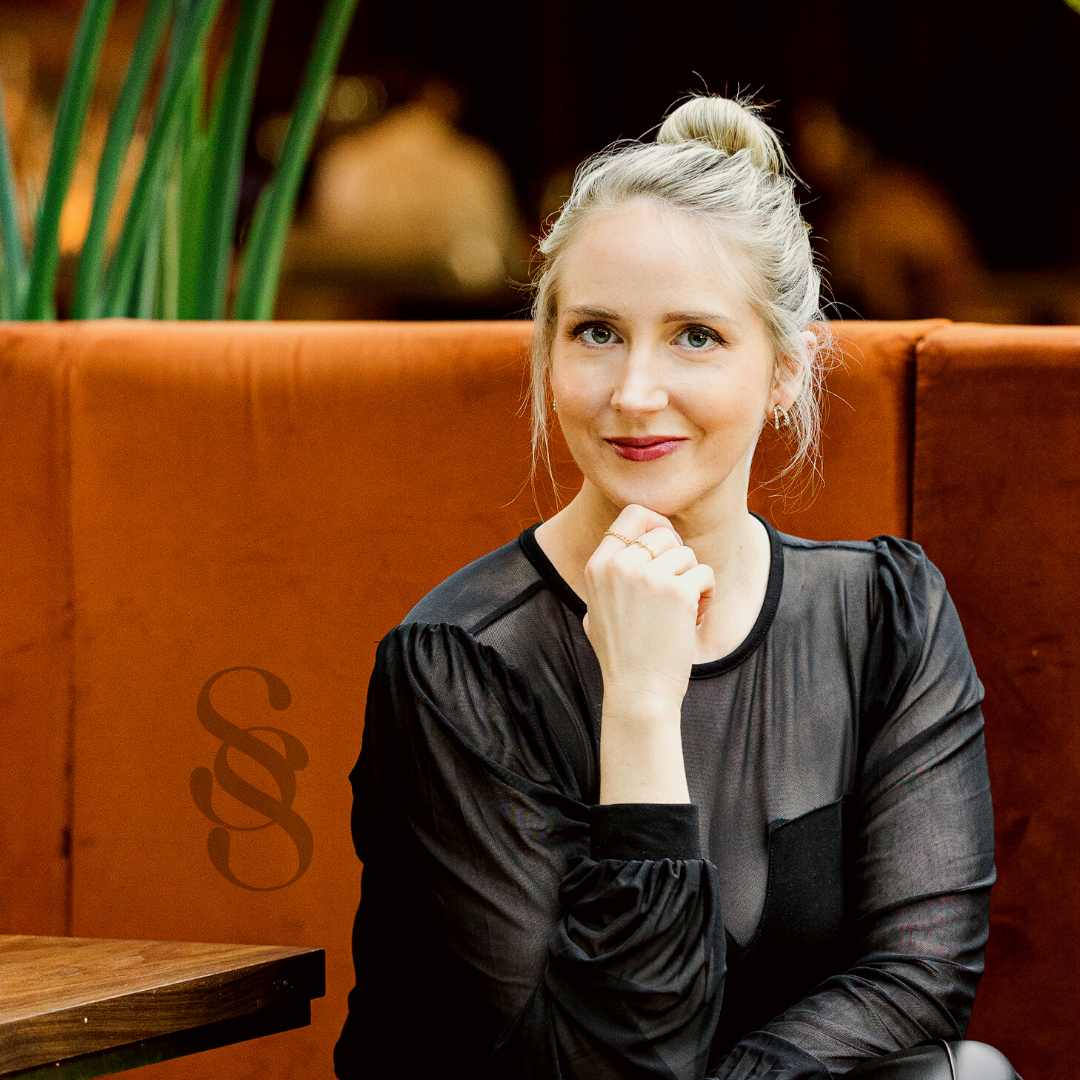

Have you ever wondered what goes through an interior designer's mind when they walk into someone's home for the first time?
I'll let you in on a little secret: we try to turn it off, but it's ingrained in our thought process.
After years of designing homes, you naturally begin to see spaces a little differently. It's not that we're walking around judging decorating choices (I promise!), but our eyes are trained to notice things that others might overlook.
And what catches our attention first is not what you think!
If you guessed paint colors, furniture style, and accessories, you're close...
I asked our team at Slate Studios about the things interior designers notice first when walking into a home, and we came up with seven observations that might surprise you.
The best part? Many of them are things you can improve without taking on a major renovation.
1. Clutter: Does Everything Have a Place?

I'll admit it. One of the first things I personally notice when I walk into a home is clutter.
Not because I expect every home to be perfectly organized, but because it's difficult to appreciate a beautiful space when there's simply too much stuff competing for your attention.
More importantly, clutter often tells me something about how a home functions.
Does every item have a "place"?
Is there enough storage?
Are everyday items easy to put away?
Does the home actually support the way the people living there use it?
There's a difference between a home that's temporarily messy and a home that is lacking proper storage.
When we're designing a home, we're thinking about where everything will live long before the finishing touches are installed. That might mean asking for a list of every small appliance you own, or how many pairs of shoes your family keeps by the door. We use tricks like incorporating concealed cabinetry, creating designated drop zones, or using furniture in unexpected ways to make organization feel effortless.
Designer Tip:
Before buying another basket or storage container, take a look at what's creating the clutter in the first place. Sometimes the solution isn't more storage accessories, but rethinking how the space is organized (and if you really need 7 throw blankets).
2. When Every Wall Has Something to Say

Here's another thing my eyes go to almost immediately: the walls.
Artwork, family photographs, mirrors, decorative objects, wall hangings... sometimes there's simply too much
happening.
And I get it! We collect things we love, and naturally, we want to display them. But when every wall is filled, your eye doesn't know where to rest.
One of the most overlooked principles in interior design is the importance of negative space. Just as beautiful artwork needs the right frame, a room needs moments of visual breathing room.
That doesn't mean your home should feel bare or impersonal. Quite the opposite. Thoughtfully editing what you display can actually make your favorite pieces feel more significant.
Consider creating a curated gallery wall rather than scattering smaller pieces throughout the room. Or consider scale by framing multiple pictures into one large frame instead.
Designer Tip:
Take a photograph of your room and look at it on your phone. Sometimes seeing your space from a different perspective makes it easier to recognize where things feel visually busy.
3. Why Is All the Furniture Hugging the Walls?

This one comes straight from Janice on our design team!
One of the first things she notices is when every piece of furniture has been pushed up against the walls.
It's a common instinct. Many homeowners assume that placing furniture around the perimeter will make a room feel larger.
But surprisingly, it can have the opposite effect.
When all the furniture is hugging the walls, you're often left with seating arrangements that feel disconnected, and the room loses that cozy, inviting atmosphere that makes people want to sit down and stay awhile.
Instead, think about creating conversation areas.
Try pulling your sofa away from the wall, arranging chairs so they face one another. We always suggest incorporating an area rug to visually anchor the furniture.
Of course, every room is different. Sometimes placing furniture against a wall makes perfect sense, particularly in smaller spaces. The goal isn't to follow a rule, but to create a layout that feels intentional.
Designer Tip:
Start by pulling your furniture a few inches away from the walls and see how the room feels. In larger spaces, designers group furniture around a central focal point rather than arranging everything around the perimeter.
4. Lighting: It's Not Just About the Pretty Fixtures

As interior designers, we notice lighting almost immediately, and not what you would think! It's not because of the style of the light fixtures themselves (I know we are full of surprises!).
We're looking at how light moves through the room, whether there are dark corners, and how the space will feel at different times of day.
A room might have incredible natural light in the afternoon but feel completely flat or uninviting after sunset.
One of the most common things we see is a room relying entirely on overhead lighting. While recessed lights certainly have their place, they shouldn't have to do all the work. Beautiful lighting is layered.
We think about ambient lighting for overall illumination (recessed fixtures, ceiling fixtures, etc.), task lighting for everyday activities (reading and table lamps, under-cabinet lighting, vanity lights), and accent lighting to highlight architectural details, artwork, or special features (sconces, artwork lights, wall-washes).
Even the temperature of your light bulbs can dramatically affect how a room feels.

Designer Tip:
Put your lighting on dimmers whenever possible! The same room should feel different when you're entertaining guests, watching a movie, or cleaning up after dinner. Being able to control the intensity of your lighting is one of the simplest ways to make a space more versatile.
5. Scale and Proportion: Something Feels Off, But What Is It?

Have you ever walked into a room where everything is beautiful, but something just doesn't feel quite right? Often, the culprit is scale.
Lori from our design team is always considering scale. Often she sees that the area rug is too small for the furniture arrangement, the chandelier is undersized for the dining table, or artwork feels lost on a large wall.
These are details that interior designers tend to recognize immediately because we're constantly evaluating how objects relate to one another.
One of the biggest misconceptions in decorating is that smaller rooms always require smaller furniture.
In reality, too many small pieces can make a room feel cluttered and disconnected. We've found the opposite to be true: in a small room, appropriately scaled pieces create a much more balanced space.
This is also why we spend so much time developing furniture plans and carefully reviewing dimensions before making selections.
Designer Tip:
Use a tape measure (ladies... we've seen the girl measurement videos on social media and your arms are tools but not THAT accurate). Before purchasing furniture or an area rug, it's also helpful to use painter's tape to outline the dimensions on your floor. It's a simple way to visualize how a piece will fit before committing.
6. The Flow: Can You Actually Move Through the Space?

A beautiful room is wonderful, but if you have to turn sideways to squeeze between the kitchen island barstools and the dining table, something isn't working.
When we walk into a home, we're naturally evaluating circulation, or how people move through the space.
Are there clear pathways?
Do doors open without hitting furniture?
Can you comfortably move between seating areas?
Does the layout make sense for the way the room is used?
These considerations become especially important in open-concept homes, where multiple living areas need to work together without feeling disconnected.
Good space planning is about much more than fitting furniture into a room. It's about understanding how people live and will use the space.
For example, in a home designed for entertaining, we might consider how guests move between the kitchen, dining area, and outdoor living spaces when parties are being held. In a family home, we might focus on everyday routines and making high-traffic areas easier to navigate (we see you busy kitchens).
Designer Tip:
Sometimes a few inches can make all the difference! Here are a few measurements we keep in mind when space planning:
36" minimum for comfortable walking paths (42"–48" is even better in high-traffic areas).
16"–18" between the edge of a sofa and coffee table.
24"–30" behind a dining chair for pulling it out, with 36" or more preferred when people need to walk behind someone seated.
42"–48" between kitchen countertops and islands, depending on how the kitchen functions.
These are general guidelines, not hard-and-fast rules. Every home is different, but getting these dimensions right can make a huge difference in how a space feels and functions!
7. Does the Home Tell Your Story?

This might be one of our favorite things to notice.
Beyond the furniture, finishes, and architectural details, at Slate Studios, we are always interested in whether a home reflects the people who live there.
We often spot these things right away:
Are there meaningful pieces collected during travels?
Artwork that holds a special memory?
A personal collection on display?
Family heirlooms mixed with newer furnishings?
Or the opposite, does the home feel like everything was purchased at once to recreate a particular look?
Don't get me wrong. I love a beautifully styled room. But the homes that leave a lasting impression are often the ones that feel personal, not like a showroom.
At Slate Studios, we believe great design is timeless. One of my favorite examples of timeless, personal design is Bunny Mellon's Oak Spring Farm in Virginia. Her home was a reflection of everything she loved: gardening, art, antiques, and objects collected throughout her lifetime. She effortlessly mixed priceless pieces with humble, everyday objects, creating interiors that felt collected rather than decorated.
Decades later, her interiors continue to inspire designers, not because they followed a particular trend, but because they were so distinctly personal. The Library is one of my favorite examples.

And that's what I love about timeless design. It doesn't mean everything needs to be neutral, minimal, or perfectly coordinated. It's about creating a home that tells your story, one that evolves with you and never feels like it belongs to a particular moment in time.
That's why we spend so much time getting to know our clients. We want to understand what matters to them, how they spend their days, what they love to collect, and how they want their home to feel.
Because the most beautiful home isn't necessarily the one that follows every design trend. It's the one that feels authentically yours.
Designer Tip:
Don't be afraid to mix the old with the new! Some of the most interesting interiors combine family heirlooms, vintage finds, travel treasures, and contemporary pieces. It's those unexpected combinations that give a home character and make it uniquely yours. Remember, a beautifully designed home doesn't have to be perfectly matched!
Things Interior Designers Notice That You Might Overlook

The next time you walk through your home, try looking at it from a slightly different perspective.
Is clutter starting to take over your life?
Is there a room that never quite feels comfortable?
A wall that seems too busy?
A space that could function better with a different furniture arrangement?
Sometimes the smallest adjustments can make a remarkable difference.
And while interior designers might notice these details almost instinctively, our goal isn't to create perfectly staged homes where nobody feels comfortable putting their feet up. It's to create spaces that are beautiful, functional, personal, and thoughtfully designed for the people who live in them.
At Slate Studios, that's what we love most about our work, seeing the potential in a space and transforming it into a home that truly supports the way our clients live.
Ready to see your home from a new perspective? We'd love to hear about your upcoming renovation or custom home project. Connect with Slate Studios to start the conversation.


Comments